The Ultimate Guide to Luxury Living, Energy Savings & Smart Hotels
Smart home automation in India has evolved from a luxury add-on to a must-have infrastructure upgrade for modern homes, villas, and hotels.
In 2026, automation delivers three core advantages:
- Up to 40% energy savings
- Seamless luxury living
- Higher property and rental value
This pillar guide covers everything:
- What smart automation actually means?
- How retrofit systems work (without breaking walls)?
- Cost vs ROI in India
- Best systems for homes and hotels
- Why Wi-Fi automation is dominating?
What is Smart Home Automation?
Smart home automation refers to a system where:
- Lights
- Fans
- ACs
- Curtains
- Appliances
are controlled through:
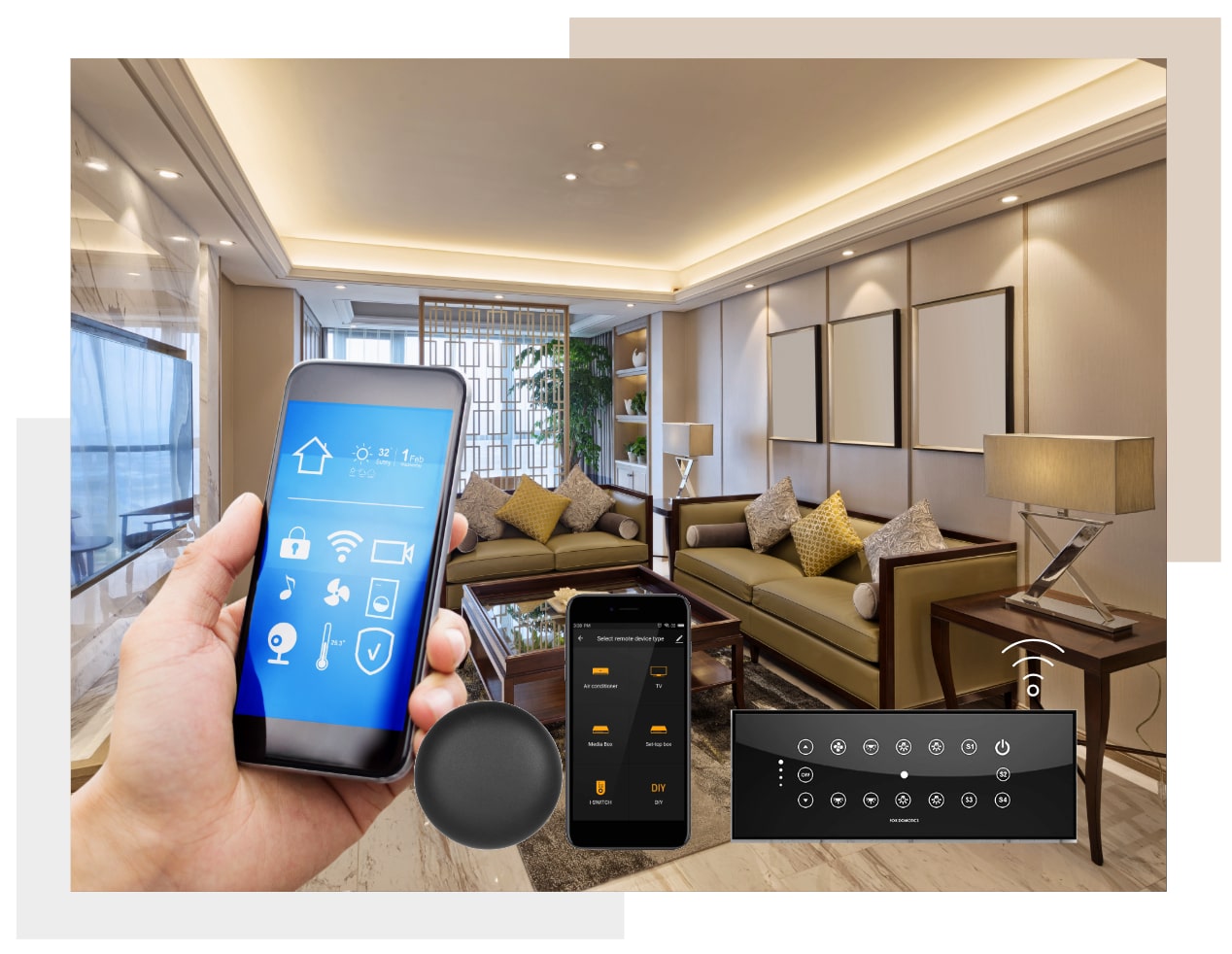
- Smartphone apps
- Voice assistants (Alexa, Google)
- Sensors and automation logic
Key Concept:
A smart home is not controlled—it is self-operating based on behavior, time, and environment.
Why Smart Homes Are Booming in India (2026 Trend Analysis)?
1. Rising Electricity Costs
Urban households and hotels face increasing per-unit electricity costs.
2. Demand for Luxury Living
Buyers now expect:
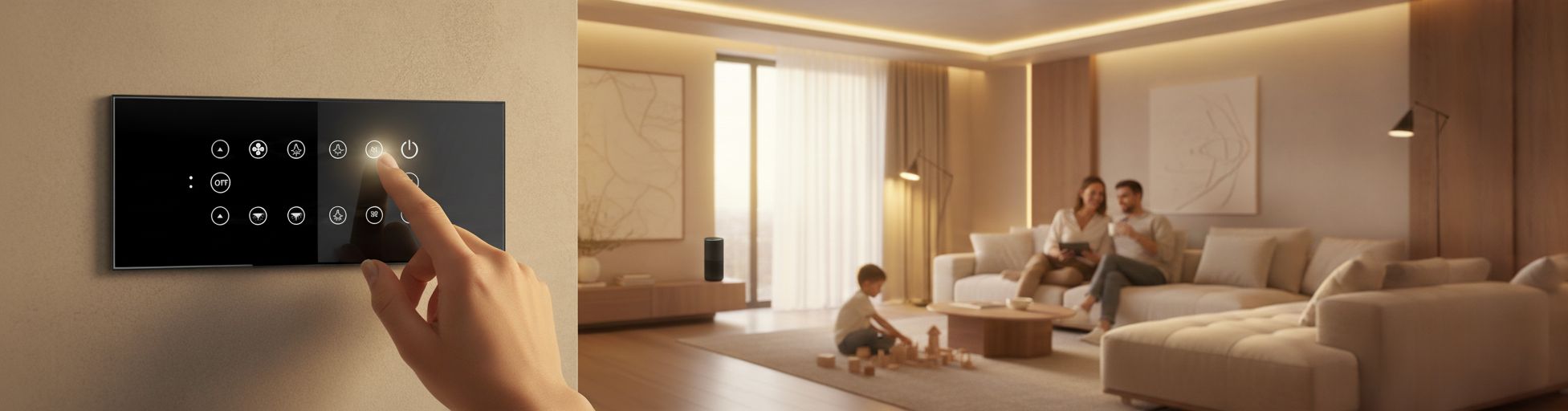
- Touch panels
- Automated lighting
- Smart scenes
3. Retrofit Technology (Biggest Driver)
No wiring changes → massive adoption surge.
4. Hospitality Competition
Hotels must upgrade experience to stay competitive on:
- Booking platforms
- Instagram appeal
- Guest reviews
Types of Smart Home Automation Systems
Wired Automation
- Requires construction stage
- Expensive and complex
Wireless (Wi-Fi) Automation – Recommended
- No rewiring
- Retrofit-friendly
- Cost-effective
Hybrid Systems
- Combination of wired + wireless
In India, 80% of new installations in 2026 are retrofit Wi-Fi-based systems.
What is Retrofit Automation? (Zero Demolition Technology)
Retrofit automation allows you to:
- Upgrade existing homes
- Avoid wall breaking
- Install within hours
Works With:
- Standard Indian switchboards (2M–12M)
- Existing wiring
Ideal For:
- Apartments
- Villas
- Hotels
- Offices
Features of a Smart Home (2026 Standard)
Smart Lighting
- Dimming
- Scheduling
- Scene control
Curtain Control
- Timed opening/closing
- Voice-controlled
Climate Control
- AC automation
- Temperature optimization
Scenes
Examples:
- Movie Mode
- Sleep Mode
- Party Mode
Voice Control
- Alexa integration
- Google Assistant
How Smart Homes Save Up to 40% Energy?
1. Occupancy Sensors
Automatically turn OFF:
- Lights
- AC
- Fans
2. Smart Scheduling
- Outdoor lights based on sunset
- Appliances based on usage
3. Intelligent Dimming
- Lower wattage consumption
4. Master Off Feature
- One-tap shutdown of entire home
Real Impact:
- Lower monthly bills
- Reduced carbon footprint
- Efficient energy utilization
Smart Home Cost in India (2026 Pricing Guide)
Basic Automation (1BHK / Small Home)
₹50,000 – ₹1,20,000
Mid-Level Smart Home
₹1.5L – ₹3L
Luxury Automation (Villa / Premium Home)
₹3L – ₹10L+
Hotel Automation (Per Room)
₹15,000 – ₹50,000 depending on features
ROI typically achieved within 18–36 months via energy savings
Smart Home Automation for Hotels (GRMS Explained)
GRMS = Guest Room Management System
Key Components:
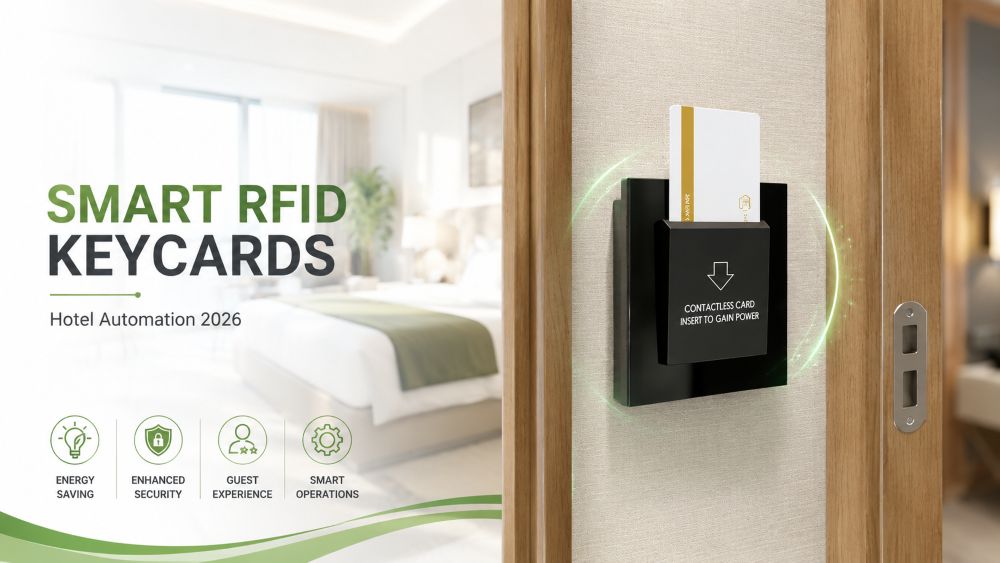
RFID Energy Saver
- Power goes off when guest exits
Smart Room Controls
- Bedside control panels
DND/MUR Automation
- Digital room status
Centralized Monitoring
- Admin dashboard for hotel
Benefits:
- Reduced electricity costs
- Improved guest experience
- Higher ratings and repeat bookings
Best Smart Home Automation System in India
When selecting a system, evaluate:
1. Retrofit Compatibility
Must work without rewiring
2. Wi-Fi Based (No Hub Dependency)
Simpler and scalable
3. Load Handling Capacity
Must support Indian appliances
4. App Reliability
Stable and responsive
5. After-Sales Support
Critical for long-term usage
Why Fox Domotics is Leading in India?
Fox Domotics is designed specifically for Indian conditions as mentioned below:
- High-load device compatibility
- Voltage fluctuation resistance
- Retrofit-first architecture
- Premium design aesthetics
Key Advantage:
No hubs. No rewiring. No complexity.
Smart Home vs Traditional Home (Comparison)
| Feature | Traditional Home | Smart Home |
| Control | Manual | App + Voice |
| Energy Use | High | Optimized |
| Convenience | Low | High |
| Security | Basic | Advanced |
| Property Value | Standard | Premium |
Is Smart Home Automation Worth It in India?
YES – If You Want:
- Lower electricity bills
- Premium lifestyle
- Future-ready home
- Better resale value
NOT NECESSARY – If:
- Temporary residence
- Extremely low usage
Future of Smart Homes in India (2026–2030)
- AI-driven homes (predictive automation)
- Full voice-first ecosystems
- Integration with solar systems
- Smart cities integration
Smart homes will soon become as standard as modular kitchens.
Frequently Asked Questions (FAQ)
Yes. Retrofit systems allow automation without breaking walls.
Basic functions work locally; advanced features need internet.
Yes, if installed with certified hardware.
Typically 20%–40% depending on usage patterns.
Final Thoughts
Smart home automation is no longer a futuristic concept—it is a practical investment that enhances:
- Lifestyle
- Efficiency
- Financial savings
Therefore, in India’s rapidly evolving real estate and hospitality market, automation is no longer a luxury—it is a baseline expectation.
Upgrade your home or hotel into a smart, energy-efficient space today.
Explore Fox Domotics solutions and experience:
- Luxury living
- Intelligent automation
- Real energy savings